What is it about?
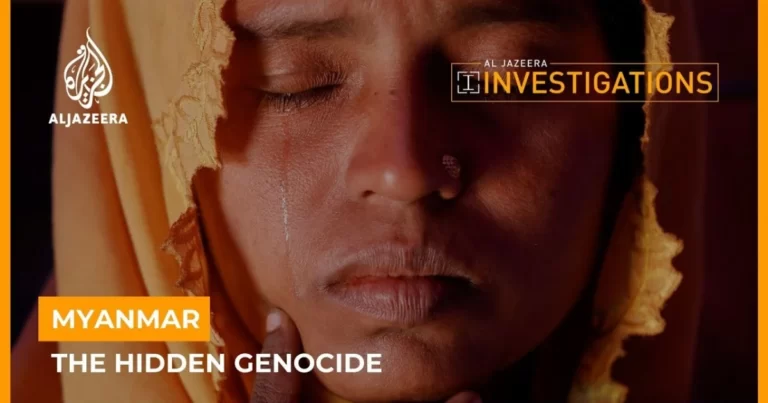
This news is about an important international court case at the United Nations. The case is between Gambia and Myanmar and is being heard at the International Court of Justice (ICJ) in The Hague, Netherlands. The case focuses on serious crimes committed against the Rohingya, a Muslim minority group in Myanmar. The court is now starting the main part of the trial, after several years of legal preparations.
What is happening?
The hearings are taking place at the Peace Palace and will last for about three weeks. During this time, judges will listen to arguments from both Gambia and Myanmar. They will also hear from witnesses and experts. The court will decide whether Myanmar broke its duties under the Genocide Convention, an international law meant to prevent genocide.
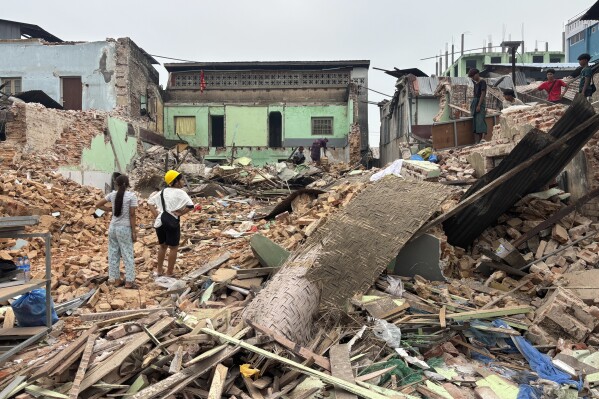
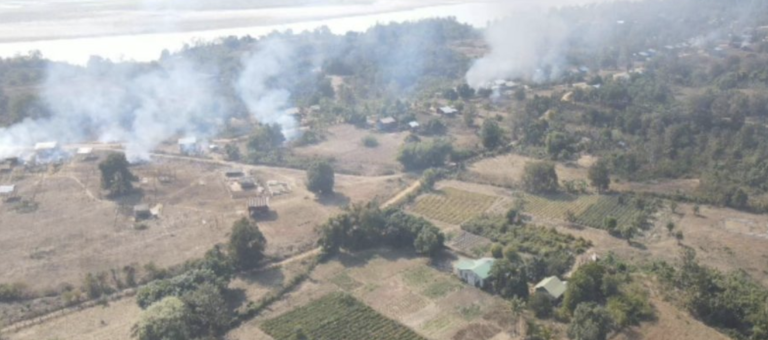
Gambia brought the case in 2019 after reviewing many reports about extreme violence against the Rohingya people. According to these reports, the Myanmar military carried out operations in 2017 that led to killings, sexual violence, and the burning of villages. Because of this violence, more than 700,000 Rohingya fled to Bangladesh. A United Nations investigation later said there were strong reasons to believe that genocide and other serious crimes had been committed.
In January 2020, the court ordered Myanmar to take temporary steps to protect the Rohingya and to save evidence of crimes. Myanmar argued that the court had no authority to hear the case, but in 2022, the judges rejected this argument. Many other countries supported Gambia’s position.
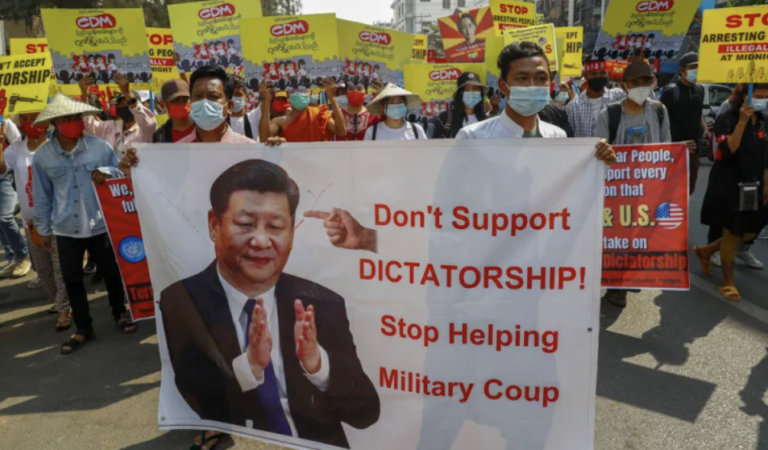
Gambia told the court that no one has been punished for crimes against the Rohingya and warned that this lack of justice could lead to more violence. It also mentioned Myanmar’s 2021 military coup, which made the situation in the country even worse. Myanmar is expected to present its defense soon.
Conclusion
This case is very important because it is about justice and accountability for serious human rights violations. The International Court of Justice does not punish individuals, but it can decide whether a country is responsible for breaking international law. The final decision, which may take many months, will be legally binding. The outcome could have a strong impact on international law and on the future protection of vulnerable communities like the Rohingya.