THE HAGUE, November 19, 2026 — In a landmark ruling with far-reaching implications for international justice, the International Court of Justice (ICJ) has found Myanmar responsible for committing genocide against the Rohingya Muslim minority during the military’s brutal clearance operations in Rakhine State in 2017.
In a 9–6 decision delivered at the Peace Palace in The Hague on Thursday, the United Nations’ highest court concluded that Myanmar violated its obligations under the 1948 Convention on the Prevention and Punishment of the Crime of Genocide. The judgment marks a historic moment in international law, representing the first time the ICJ has found a state responsible for committing genocide.
The case was brought by The Gambia in November 2019, accusing Myanmar of violating the Genocide Convention through systematic violence against the Rohingya population. The proceedings sought to establish state responsibility for atrocities that forced hundreds of thousands of Rohingya to flee their homes and seek refuge in neighbouring Bangladesh.
Court Recognises Genocide Against Rohingya
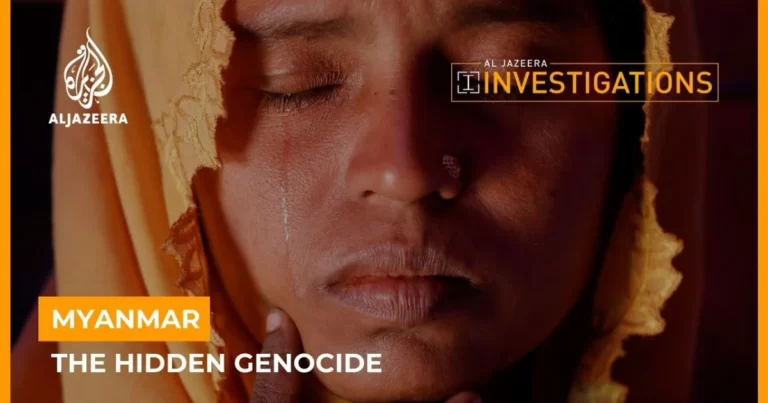
Delivering the judgment, ICJ President Judge Yuji Iwasawa stated that Myanmar’s security forces had killed thousands of Rohingya civilians, committed widespread sexual violence, perpetrated extreme violence against children and attacked civilians attempting to escape to Bangladesh.
The Court found that the atrocities committed during the 2017 military operations constituted genocide, establishing that Myanmar had violated its international legal obligations.
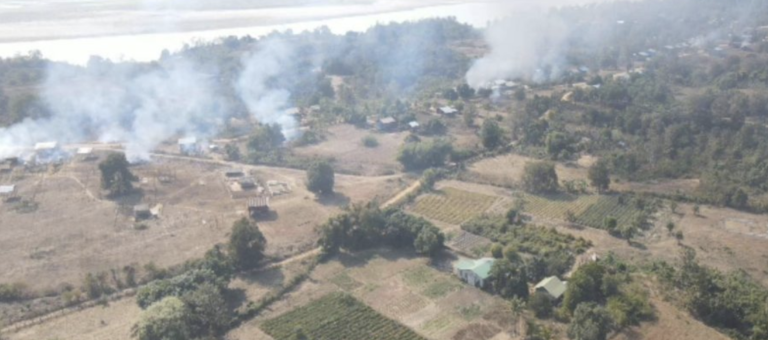
According to evidence considered by the Court, approximately 10,000 Rohingya were killed during the military operations. More than 730,000 people were forced to flee across the border into Bangladesh following the violence.
The judgment rejected Myanmar’s defence that the military campaign was a legitimate counterinsurgency operation against armed groups. The Court’s findings established that the actions of Myanmar’s security forces went beyond the justification of military operations and met the legal threshold for genocide.
The Gambia’s Legal Battle Comes to a Historic Conclusion
The Gambia initiated proceedings against Myanmar on November 11, 2019, invoking the Genocide Convention and seeking to hold the country accountable for atrocities committed against the Rohingya.
Supported by the Organisation of Islamic Cooperation, The Gambia argued that Myanmar had failed to prevent and punish genocide and had violated its obligations under international law.
The case passed several significant legal milestones before reaching Thursday’s final judgment. In January 2020, the ICJ ordered Myanmar to take provisional measures to prevent acts of genocide and preserve evidence relating to the allegations.
In 2022, the Court rejected Myanmar’s preliminary objections and confirmed its jurisdiction to hear the case. Hearings on the merits took place in January 2026, culminating in the judgment delivered on November 19.
The proceedings also attracted interventions from 11 countries, reflecting the wider international interest in the interpretation and enforcement of the Genocide Convention.
Myanmar Ordered to Investigate, Provide Reparations
Beyond establishing Myanmar’s responsibility, the ICJ ordered the country to take concrete measures to address the consequences of its violations.
The Court directed Myanmar to:
- End any continuing violations of the Genocide Convention and enact legislation fully implementing its international obligations.
- Investigate individuals reasonably suspected of involvement in genocide and prosecute and punish those responsible where warranted.
- Provide assurances and guarantees that similar violations will not occur in the future.
- Adopt restitution measures, including facilitating the safe, voluntary and dignified return of displaced Rohingya to their places of residence.
- Support the reunification of families separated by the violence.
- Compensate the Rohingya community and its members for the damage caused.
The Court also determined that the question of compensation and other forms of reparation would be addressed in a subsequent phase of proceedings. Myanmar must submit a report within two years detailing its restitution measures and proposed compensation arrangements.
The ICJ additionally found that Myanmar had violated its obligation to preserve evidence relating to the alleged genocidal acts, as required under the Court’s provisional measures order of January 2020.
However, the Court did not find that Myanmar had directly and publicly incited genocide against the Rohingya through private individuals.
A Historic Victory, but Challenges Remain
The judgment represents a significant legal and symbolic victory for Rohingya survivors and their families, many of whom have spent years demanding recognition, accountability and justice.
More than 1.2 million Rohingya refugees remain in Bangladesh, primarily in overcrowded camps in Cox’s Bazar. Many continue to face insecurity, inadequate humanitarian assistance, restricted livelihood opportunities and uncertain prospects for returning to their homeland.
Although the ICJ’s judgment is final and legally binding, implementing its orders presents considerable challenges. The Court does not have its own enforcement mechanism, and any failure by Myanmar to comply could be brought before the United Nations Security Council.
The ruling also comes amid continuing political instability and armed conflict in Myanmar, raising questions about the practical implementation of the Court’s orders and the prospects for the safe return of displaced Rohingya.
Implications for International Justice
Legal experts and human rights organisations are expected to closely examine the judgment for its implications for other international cases involving allegations of genocide.
The decision reinforces the principle that states can be held internationally responsible for genocide under the 1948 Convention. It also highlights the importance of international cooperation in preventing genocide, preserving evidence and ensuring accountability.
For the Rohingya community, however, the significance of the ruling extends beyond legal recognition. It represents an acknowledgment by the world’s highest court of the suffering endured by generations of Rohingya and the atrocities committed against them.
After years of displacement, loss and uncertainty, the judgment marks a major milestone in their pursuit of justice. Yet the ultimate test will be whether international recognition is translated into meaningful accountability, reparations, protection and the restoration of the Rohingya people’s rights and dignity.
The ICJ has delivered its judgment. The challenge now lies in ensuring that justice reaches the people whose lives were devastated by the genocide.